





0 commentaires
Whether you are a seasoned athlete or a fitness novice, understanding the importance of protein and knowing how to incorporate it into your diet is crucial. Discover which proteins to consume to strengthen your muscles, the most protein-rich foods, and how to integrate 100g of protein into your daily diet.
We will discuss the best protein sources, both animal and plant-based, and guide you on the ideal amount to consume to optimize muscle gain.
Importance of protein in bodybuilding
In the world of bodybuilding and fitness, proteins are often presented as the cornerstone of optimal nutrition. This is no coincidence: they play a fundamental role in various physiological processes, especially for those engaged in intense physical activities. Here are some of the reasons why proteins are so crucial in bodybuilding.
Building and repairing muscle fibers
Role in muscle synthesis: Proteins are the main components of muscle fibers. During strength training, muscles undergo micro-damage. To repair and strengthen these muscles, the body needs protein. Muscle protein synthesis, the process of muscle repair and strengthening, directly depends on the availability of protein.
Post-workout recovery: After an intense workout, muscles need protein to repair and grow. Adequate protein intake speeds up recovery and reduces muscle soreness.
Maintaining a healthy metabolism
Thermic effect: Proteins have a higher thermic effect compared to carbohydrates and fats. This means that the body expends more energy to digest and metabolize proteins, which can promote fat loss and maintain an active metabolism.
Appetite regulation: Proteins contribute to satiety, helping to control appetite and prevent overeating.
Strengthening the immune system
Proteins are essential for the proper functioning of the immune system. Antibodies, which are crucial for fighting infections, are themselves proteins.
Importance of amino acids
Proteins are composed of amino acids, some of which are called "essential" because the body cannot synthesize them. These amino acids must be obtained through diet and are indispensable for many bodily functions, including muscle building.
Top protein-rich foods
Dairy products and cottage cheese
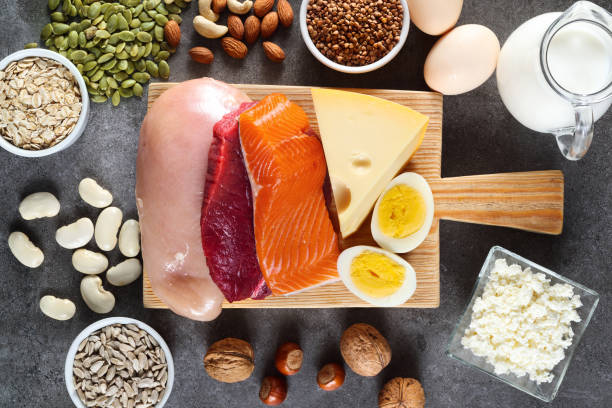
Dairy products, especially cottage cheese, are an excellent source of animal protein. They offer a good balance of protein, fat, and carbohydrate intake, in addition to being rich in calcium.
Lean meats and seafood
Lean meats, such as chicken or turkey, as well as seafood, are among the best foods for high protein intake. They provide high-quality protein with little fat.
Plant-based protein sources
Plant-based protein sources, such as legumes, oats, or certain superfoods, are essential, especially for those following a vegetarian or vegan diet. These foods bring diversity and balance to your diet.
Protein and a balanced diet
Balance between protein, carbohydrates, and fats
A balanced diet must include a fair balance of protein, carbohydrates, and fats. This balance is crucial for ensuring a constant energy supply and avoiding nutritional deficiencies.
Importance of essential amino acids
Essential amino acids, found in proteins, play a key role in muscle repair and development. They are especially important for athletes and bodybuilders.
Tips for consuming 100g of protein per day
To reach 100g of protein per day, it is important to plan your meals and snacks. Integrate varied protein sources into each meal, starting with a protein-rich breakfast.
Choosing proteins for muscle gain
Muscle gain is optimized by choosing quality proteins. Favor natural and whole foods, and avoid supplements unless they are necessary and approved by studies.
In conclusion, incorporating a variety of protein-rich foods into your diet is essential for bodybuilding. By following these tips, you will be able to maximize your muscle gains while maintaining a healthy and balanced diet.
Why supplement with protein?
Eating protein-rich foods is essential, but in some situations, it's not enough. Protein supplements play a crucial role in the diets of many individuals, particularly:
-
Athletes: Protein intake needs to be increased to support muscle recovery and promote lean mass gain.
-
Active individuals: A busy life doesn't always allow time to cook balanced, protein-rich meals.
-
Specific diets: Losing weight while maintaining muscle mass may require precise protein intake.
In short, protein supplements are a practical and effective solution to meet specific nutritional needs that diet alone cannot cover. They are easy to use and, for example, save you from having to prepare hard-boiled eggs for a snack.
How to supplement effectively?
There is a protein adapted to every need, and choosing the right type of supplement is essential to achieve your goals. Here is a practical guide to matching your needs with the best protein:
-
Native Whey: A milk-derived protein, ideal for beginners and to easily meet your daily intake.
-
Native Whey Isolate Low Lactose: Recommended for those who want to limit fats and carbohydrates, with a protein content above 90%. It is ideal for optimizing protein intake and also for lactose-intolerant individuals.
-
Hydrolyzed Whey: Thanks to a hydrolysis process, this protein is pre-digested, facilitating its absorption. Perfect for rapid recovery after intense workouts, and ideal for intra-workout for a big boost. Be careful with the taste, it might surprise more than one.
-
Micellar Casein: A slow-absorbing protein, ideal for nourishing muscles during the night or between meals. It is also ideal during cutting phases as it provides a feeling of satiety.
By incorporating a protein adapted to your goal, you maximize your results while facilitating the achievement of your nutritional intake.
