








0 commentaires
Sports recovery is a crucial step for any athlete or sports enthusiast wishing to maintain their performance in the long term and avoid the risk of injury. Among the various recovery methods, sports massage holds a special place, as it contributes to better recovery and the prevention of muscle pain and tension. But what exactly does a recovery massage consist of, and why is it considered a leading tool for sports health and better blood circulation? This article looks at the benefits of massage, its role as a muscle recovery aid, as well as complementary methods that can amplify its effects for even more convincing results.
Massage, a choice ally for physical exertion
During intense physical exertion, muscle fibers suffer micro-tears, leading to muscle pain and a feeling of fatigue. In response, the body initiates repair and adaptation processes, which can, however, be hampered if recovery is not optimal. This is where recovery massage comes in.
-
Better recovery: Massage promotes relaxation, reduces muscle tension, and improves joint flexibility. After an intense session, it is common to feel stiffness or soreness. By helping to relax muscles and eliminate toxins, massage contributes to a faster recovery.
-
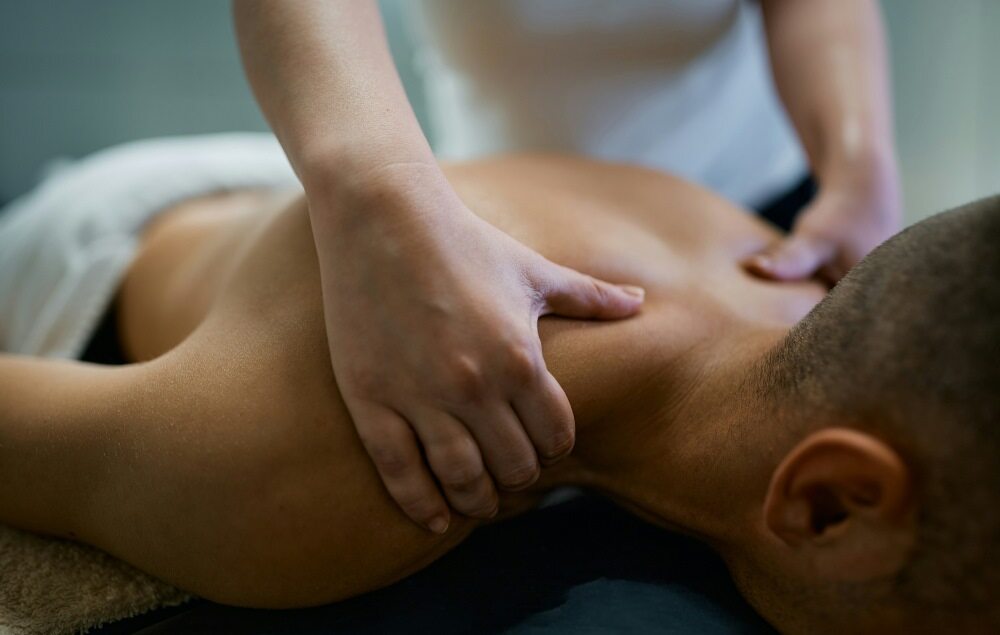
A muscle recovery aid: Specific maneuvers performed by the sports massage therapist target the most stressed areas, acting directly on damaged muscle fibers. Techniques like pressure, effleurage, or friction, for example, release adhesions and reduce muscle hypertonia.
The benefits of sports massage for recovery
The benefits of massage in a sports context are numerous and based on both physiological and psychological action.
-
Reduction of muscle pain: By stimulating nerve endings, massage has an analgesic effect that relieves pain. Tensions accumulated during exercise subside, leading to a noticeable reduction in post-exercise muscle soreness.
-
Better blood circulation: Kneading, draining, or tapping movements activate microcirculation and promote venous return. Nutrients and oxygen reach the muscles more quickly, accelerating the repair process, while metabolic waste (lactates, toxins) is better eliminated.
-
Prevention of injury risks: A less tense muscle, freed from knots and tensions, is less prone to tears or strains. By improving muscle elasticity and joint mobility, massage limits trauma related to repetitive sports movements.
-
Mental relaxation: Beyond the purely physical aspect, sports massage provides nervous relaxation. The mental calm achieved contributes to overall recovery, essential for resuming training in the best conditions.
Recovery massage and essential oils
To enhance the muscle recovery effect of massage, the use of essential oils can be particularly beneficial. Certain essences are known for their anti-inflammatory and muscle-relaxing properties:
-
Wintergreen: Its anti-inflammatory properties are useful for calming muscle soreness and joint pain.
-
True lavender: Soothing, it relaxes the nervous system and helps muscles to release tension.
-
Camphor rosemary: Invigorating, it facilitates blood circulation and relieves tension.
Essential oils are most often used diluted in a vegetable oil (sweet almond, macadamia, etc.) or a neutral balm, to perform a sports massage targeted at the most stressed areas.
Complementary methods for better recovery
While recovery massage is a definite asset, its effectiveness can be further enhanced when integrated into a global approach that includes other practices:
-
Stretching and flexibility exercises: A few minutes of stretching after training or between two massage sessions help maintain muscle flexibility and limit spasms.
-
Hydration and nutrition: Drinking enough water and ensuring a balanced protein intake are essential for muscle fiber regeneration. Quality carbohydrate intake immediately after exercise also contributes to recharging energy reserves.
-
Rest and sleep: During the resting phase, the body restores its tissues and strengthens the immune system. Quality sleep promotes this regeneration and optimizes the muscle recovery effect of massage.
-
Cryotherapy or cold baths: More and more athletes are adopting the cold bath method to calm inflammation and relieve post-exercise pain. The vasoconstrictive effect of cold acts in synergy with the vasodilation created by massage, improving circulation and muscle regeneration.
Furthermore, yoga, sophrology, or other relaxation-focused practices can be considered to complement the action of recovery massage and thus benefit from an even more comprehensive repair process.
Adapting massage to the type of physical exertion
Not all athletes stress their muscles in the same way. Long-distance runners will experience more micro-lesions in their legs, while a swimmer will need to primarily relax their back and shoulders. It is therefore important to adapt the sports massage to the affected areas, taking into account:
-
Training intensity: A short but explosive effort may require a deep massage to release accumulated tension in a short period.
-
The sport practiced: A cyclist will need particular care for their quadriceps and calves, while a tennis player will focus on their arms and upper back.
-
The time of the sports season: After a competition, muscles are particularly stressed and weakened. A gentler massage will then be preferable to avoid any additional pain.
Massage, a pillar of better recovery
For better recovery after physical exertion, recovery massage remains an essential method favored by many athletes, both professional and amateur. By stimulating blood circulation, releasing muscle tension, and eliminating toxins, it represents an excellent muscle recovery aid. Combined with essential oils, good hydration, rest, and other complementary methods such as cryotherapy or yoga, massage is a prime tool for limiting the risk of injury and better managing muscle pain.
Thus, integrating recovery massage regularly into your training routine will allow you to recover better, optimize your performance, and extend your enjoyment of sports without being hindered by stiffness and other discomforts related to muscle fatigue.

