






0 commentaires
Fitness has long been perceived as a masculine world, focused on strength, performance, and physical appearance. However, more and more women are entering gyms, competitions, and social media to assert their place. Between persistent stereotypes and the pursuit of emancipation, their presence is gradually redefining the codes of the sports world.
This article explores the challenges, prejudices, and victories of women in the fitness world, caught between pressure, motivation, and liberation.
Persistent stereotypes
Despite changing mentalities, some stereotypes remain omnipresent:
"Fitness is for losing weight"
Many women start for aesthetic reasons but stay for performance. Yet, society often continues to reduce their practice to a simple quest for thinness.
"A muscular woman is masculine"
The association between muscle and masculinity is still widespread. A woman who develops her strength or muscle mass often has to justify herself or face remarks about her appearance.
"Women should do cardio, not weight training"
Female weight training was long perceived as unsuitable. Even today, some hesitate to lift heavy weights for fear of "gaining too much muscle," a persistent myth.
Liberation through performance and strength
Contrary to popular belief, many female practitioners are not only looking for aesthetics but also self-improvement.
Taking ownership of one's body
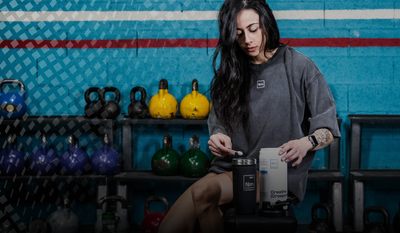
Lifting, progressing, mastering one's movements: physical strength becomes a form of emancipation. The body is no longer judged; it is functional and powerful.
Gaining confidence
Progress in the gym, achieved goals, digital discipline (tracking, nutrition, training) build lasting confidence, far from imposed standards.
Creating one's own standard
More and more women are embracing their sculpted shoulders, powerful thighs, or calloused hands. Fitness becomes a space of freedom, not conformity.
The role of social media: showcase and trap
Social media has played a major role in the visibility of women in fitness.
They offer inspiration, role models, female coaches who educate, advise, and motivate. But they also generate new pressure: that of constant perfection.
-
Physical comparisons
-
Performance escalation
-
Constant judgment
The line is fine between motivation and self-criticism.
Nutrition and supplementation: taking back control
For a long time, sports nutrition was designed for men. Women often have to deconstruct preconceived ideas such as:
-
"Eat little to stay thin"
-
"Supplements are for bodybuilders"
Today, they are adopting performance tools:
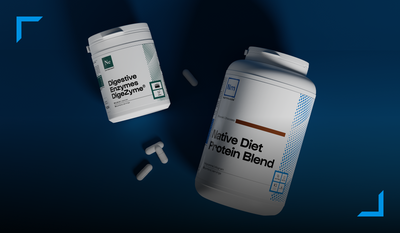
- Proteins: to support muscle recovery and promote fiber growth after training.
- Collagen: to protect tendons, joints, and skin health.
- Magnesium: to reduce fatigue, support muscle relaxation, and manage stress.
- Creatine: to improve strength, power, and performance during intense exercise.
- Glutamine and probiotics: to promote recovery, support the immune system, and maintain digestive health.
Supplementation is no longer a taboo, but a way to take care of oneself, both for aesthetic and functional purposes.
A movement towards more balance
Being a woman in fitness means navigating between two worlds:
-
Traditional aesthetic pressure
-
The quest for strength, health, and freedom
Fitness then becomes a space of emancipation, where women do not seek to conform to a norm, but to define their own.
Conclusion
Being a woman in the fitness world means facing clichés to access a new determination: that of building oneself physically and mentally. The gym is no longer a place of imposed transformation, but one of personal affirmation.
Muscle, sweat, and effort are no longer masculine symbols. They become tools of liberation.
