






0 commentaires
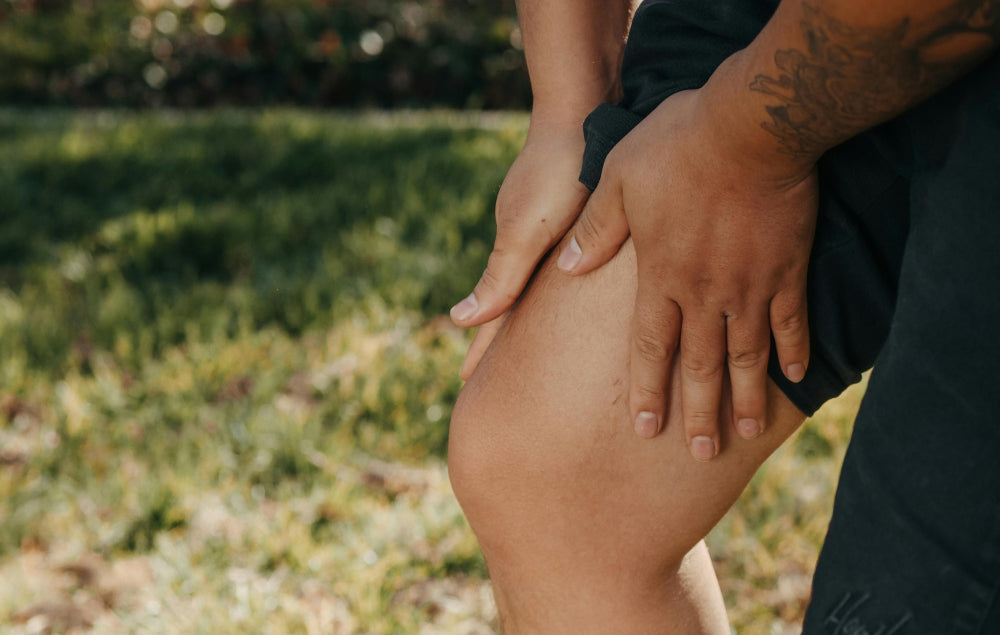
Pain in the thigh adductors is common among athletes, particularly in running and in sports requiring changes of direction or repeated supports.
The adductor muscles located on the inner thigh play an essential role in pelvic stabilization and the synchronization of lower limb movements. When they are overused or poorly prepared, they can suffer muscle injuries, micro-tears, or even more severe damage, sometimes leading to muscle tears.
This article provides an overview of the causes, symptoms, and solutions to effectively relieve adductor pain and resume sports activity in the best conditions.
Role and Anatomy of Adductors
The adductors are a group of muscles located on the inner thigh, composed notably of the adductor longus, adductor brevis, adductor magnus, and pectineus. Most of them attach in the pubic region or on the pubic symphysis, and insert onto the femur. In addition to bringing the leg closer to the body's midline (adduction), they greatly contribute to pelvic stabilization, especially during unilateral movements.
Activities such as running, football, or hockey intensely solicit these muscles because lateral supports and repeated accelerations demand constant work from the adductors to control the position of the lower limb.
Common Causes of Adductor Pain
Pain in this area can result from different causes. The most common are:
-
Overuse and muscle fatigue: Too intense training or a series of competitions can lead to tension in the adductors, gradually causing pain in the pubic region.
-
Adductor injuries: Muscle tears or partial lesions are common, especially in athletes who perform sudden adduction movements or quick starts.
-
Associations with hamstrings: The hamstrings and adductors work together to stabilize the entire lower limb. An imbalance or lack of flexibility in one of these chains can transfer tension to the other.
-
Posture problems: Poor pelvic alignment, genu valgum, or uneven weight distribution can overload the adductor muscles.
-
Lack of strengthening: The absence of targeted strengthening exercises for this area promotes the appearance of excessive tension as soon as sports activity increases.
How to Identify Pain and Make a Diagnosis?
The first step is to analyze the type of pain felt:
-
Acute and localized pain, sometimes associated with a sensation of sudden tearing, suggesting a strain or tear type injury.
-
Diffuse and progressive pain, which may extend from the groin to the inner thigh or towards the pubic symphysis, primarily manifesting when activity stops.
A clinical examination performed by a doctor or physiotherapist will assess the range of motion, precisely locate the painful area, and determine if other structures, such as the tendon, are affected.
In case of significant injury, complementary imaging (MRI or ultrasound) often confirms the diagnosis.
Management and Tips for Pain Relief
1. Rest and activity modification
During an acute phase, it is essential to reduce the stress on the adductor muscles. Reducing or suspending sports activity (especially running) may be necessary to avoid aggravating the injury.
Sports that induce lateral tension in the pelvis should be temporarily avoided. In parallel, gentle exercises that do not stress this area can be maintained, for example, moderate walking if the pain allows.
2. Strengthening and mobility exercises
Once the inflammatory phase is contained and the pain stabilized, light strengthening exercises for the adductors and hamstrings are recommended. The goal is to progress gradually, prioritizing movement quality.
For example, isometric work in a lying position, with bent legs and a ball squeezed gently between the knees. Measured stretches can also be gradually integrated, without forcing.
3. Manual approaches and physiotherapy
Physiotherapy or osteopathy sessions often help relax the area by improving blood circulation and correcting postural compensations. Targeted massages work by relieving pain and promoting muscle relaxation. Techniques such as electrostimulation or ultrasound sometimes complement the treatment.
4. Global strengthening and pelvic stabilization
Rehabilitation generally extends to the trunk and lower limbs: engaging the transverse abdominis, strengthening the glutes and deep muscles of the lower limb contributes to optimal pelvic stabilization. Rebalancing the relationship between quadriceps, hamstrings, and adductors limits the risk of relapse.
Prevention: How to Avoid Adductor Pain?
-
Adapted warm-up: Progressive work including joint mobility movements and low muscle tension helps prepare the groin area for effort.
-
Training planning: Vary intensities, allow enough rest days and stretches after sessions, especially if practicing demanding sports like running or tennis.
-
Specific strengthening: Regularly incorporate lateral plank exercises, adduction work, and controlled stretches to maintain flexibility of the inner thigh.
-
Listen to your body: Any feeling of discomfort or pain should be taken seriously. It's better to ease off for a few days than risk more disabling adductor injuries.
Conclusion: Treating and Preventing Adductor Pain
Adductor pain often occurs in athletes practicing disciplines requiring repeated supports on the inner thigh (football, hockey, running, etc.). The causes are numerous: muscle imbalance, overuse, lack of warm-up or recovery.
Management relies on a precise clinical examination, activity adjustment, and appropriate exercises to restore pelvic stabilization and prevent future muscle injuries.
Global work on posture, supports, and effort management remains essential to resume sports activity without risk of relapse, while alleviating short-term pain.