








0 commentaires
Adopting a vegetarian diet does not prevent you from intensively practicing bodybuilding, running, or any other sport.
However, to optimize performance and recovery, a vegetarian athlete must be particularly attentive to their nutritional intake.
Certain deficiencies are common, and food supplements can play a key role in supporting energy, muscle mass, and overall health.
We'll explain it all to you!
Proteins: a priority for muscle mass
One of the major challenges for a vegetarian athlete is the intake of complete proteins. Animal proteins are naturally rich in essential amino acids, whereas plant proteins are sometimes incomplete.
To stimulate protein synthesis and support muscle tissue, the ideal is to combine different sources (legumes, cereals, oilseeds).
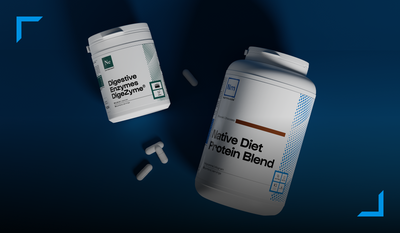
A powdered protein supplement can be beneficial, such as pea protein or rice protein, which offer a good amino acid profile. They help cover daily needs, especially during bulking phases or after intense exercise.
Vitamin B12: essential for daily life
Vitamin B12 is almost absent from plant-based foods. However, it is essential for the formation of red blood cells, the functioning of the nervous system, and energy production.
Therefore, B12 supplementation is indispensable for all vegetarian athletes. It helps reduce fatigue and supports recovery after exercise.
Iron: preventing performance decline
Non-heme iron found in legumes or leafy green vegetables is less well absorbed by the body than animal iron. An iron deficiency can lead to decreased endurance, chronic fatigue, and a reduction in athletic performance.
Iron supplementation can be useful, ideally combined with vitamin C to improve its absorption.
Omega-3s: essential for recovery and health
Omega-3 EPA and DHA fatty acids, found mainly in fatty fish, contribute to the proper functioning of the cardiovascular system and play an anti-inflammatory role, useful after intense training.
Vegetarians can turn to algae-based supplements, a plant source rich in omega-3s.
Vitamin D: support for bones and immunity
Vitamin D plays a key role in bone health and the immune system. It is mainly produced by the skin thanks to the sun, but its deficiency is common, especially in winter.
Supplementation is therefore recommended for vegetarian athletes to reduce the risk of fatigue and support performance.
Zinc and magnesium: two strategic minerals
Zinc participates in hormone regulation, muscle recovery, and the maintenance of the immune system.
Magnesium, on the other hand, is essential for muscle contraction, reducing fatigue, and resistance to oxidative stress.
As a vegetarian diet can sometimes be low in these two minerals, a supplement can be beneficial for optimizing performance.
Conclusion: finding a balance
A vegetarian athlete can perfectly achieve their performance and health goals provided they adopt a varied and balanced diet, enriched with well-chosen supplements.
Plant proteins, vitamin B12, iron, omega-3s, vitamin D, zinc, and magnesium are the most important pillars to monitor. Used correctly, these supplements help to compensate for potential deficiencies and allow you to get the most out of your training.
