






0 commentaires
In the world of nutrition and sports, the question keeps coming up: do you absolutely have to take food supplements to be healthy and make progress? We'll explain!
A definition of what a food supplement provides
Food supplements are designed to provide a concentration of nutrients or active substances that are difficult to obtain through diet alone.
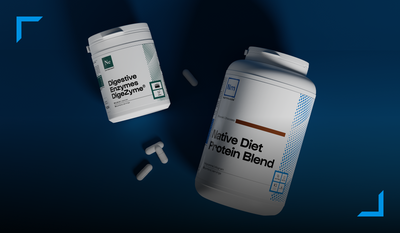
They include a wide range of products: protein powders, amino acids, vitamins, minerals, omega 3, probiotics... They all have in common targeting a specific need and providing a practical solution.
But this effectiveness should not make us forget that diet remains the basis. Without a balanced diet, taking supplements loses relevance, as they are not designed to replace a varied daily diet.
Situations where they make perfect sense
There are cases where supplementation becomes almost indispensable. Let's take the example of vitamin D: in our modern lifestyles, sun exposure is often insufficient to meet needs, making supplementation very useful.
Similarly, omega 3 are scarce in Western diets, unless fatty fish of good quality are consumed regularly.
Creatine is another example: even with a diet rich in red meat, intake remains too low to saturate muscle reserves and benefit from its effects on performance and recovery.
Supplements and performance: a definite advantage
For athletes, supplements are not mandatory, but they can make a real difference.
Protein powders facilitate the achievement of daily intake, glutamine helps maintain intestinal and immune health during intense training phases, while certain amino acids such as leucine play a direct role in stimulating protein synthesis.
These products do not create "magical" progress, but they allow to make the most of training and accelerate adaptations.
Essential or simply practical?
The real question is not whether supplements are indispensable in themselves, but whether their use is relevant depending on your lifestyle and goals. A person with a rich, varied and perfectly calibrated diet for their activity can do without them.
However, in real daily life, marked by a lack of time, social constraints and sometimes the difficulty of eating enough, they become a valuable asset.
Rather than considering them essential or optional, it is better to see them as a flexible tool to support health and performance, in addition to a solid nutritional base.
