







0 commentaires
Blue Monday is often presented as "the most depressing day of the year," typically falling on the third Monday of January (in 2026, it falls on January 19).
In reality, the idea primarily stems from a marketing campaign popularized in the mid-2000s and has no solid scientific basis.
That said, the core issue is real: in the middle of winter, between fatigue, disrupted routines, decreased motivation, and New Year's resolutions, many people feel a slump.
The goal, therefore, is not to "believe" in Blue Monday, but to use it as a useful reminder to re-establish simple habits focused on sport and health.
Why we often feel "down" in January
After the holidays, we often accumulate several factors: disrupted sleep patterns, decreased physical activity, less stimulating weather, increasing mental load, and overly ambitious goals. This is exactly what made the "Blue Monday" concept viral, even if its formula is contested.
The good news is that we can take concrete action this week, without waiting for perfect motivation.
Sport: the most reliable anti-blues (and how to get back into it)
When motivation is low, the most effective strategy is not to "push yourself," but to reduce friction. Instead of aiming for a perfect session, aim for an "easy-to-start" session.
A 20-minute brisk walk, a very simple upper body workout, or a short leg-and-ab circuit is enough to get things going again. The goal for the day: to signal to the brain that "it's starting again," even in small doses.
Specifically, a good "Blue Monday" format consists of three blocks: a quick dynamic warm-up, 2 to 3 multi-joint exercises with controlled loads, then 5 minutes of cool-down. This type of session gets you moving again, improves energy perception, and provides a clear victory without overdoing recovery.
Nutrition: stabilizing energy without complicating your life
In January, slumps often come from a simple combination: irregular meals, lack of protein, insufficient hydration, and overly sugary snacks that cause a peak followed by a crash.
A simple rule: ensure a protein source with every meal, add a real carbohydrate "base" around training, and don't underestimate quality fats.
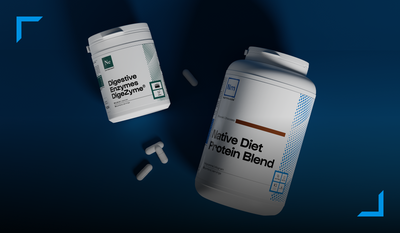
If you struggle to meet your intake, protein powder can help secure your routine: a shake for breakfast or a snack, especially on days when appetite or organization fall short. The idea is not to replace food, but to avoid the "all or nothing" approach that causes people to give up.
Sleep and light: the underrated duo
Blue Monday falls in the middle of a period when natural light is scarcer, which can affect energy and mood. Even without "overthinking everything," two actions make a real difference: going out for morning daylight exposure (even 10 minutes), and stabilizing a realistic bedtime.
If you go to bed 45 minutes earlier for a week, you will often see a more noticeable effect than by changing ten parameters at once.
Useful supplements: stay consistent, not extreme
In the Nutrimuscle universe, the most logical approach for this period is to strengthen the basics rather than pile things on. A protein (to meet your intake), recovery support if your training volume increases, and possibly a sleep-oriented product if you struggle to fall asleep. This trio is often more effective than an endless list.
The key point: regularity. Supplements work best when they accompany a stable routine (training, nutrition, sleep). If you're getting back into sport, start simple, observe for two weeks, then adjust.
When to ask for help
If low spirits persist, are accompanied by a marked loss of interest, significant sleep disturbances, intrusive anxiety, or dark thoughts, it's no longer a matter of "Blue Monday." In this case, the right reflex is to consult a healthcare professional.
The aim of this article is to provide lifestyle levers, not to trivialize psychological suffering.
Conclusion
Blue Monday is not a scientific truth, but it's a good excuse to revisit the fundamentals: move a little today, eat more regularly, secure protein intake, expose yourself to light, and protect your sleep.
In Nutrimuscle terms: a simple, repeatable routine, focused on performance and health. It's rarely spectacular on a single day, but very powerful over 2 to 3 weeks.

